How Storage Auctions Work: A Comprehensive Guide for Beginners
Storage auctions offer a thrilling and unique experience that’s unlike any traditional auction format. From the moment the bidding begins to the final clean-out process, each step holds its own excitement and challenges. But how do storage auctions work, exactly? If you’re new to this dynamic world, this guide will walk you through every aspect—from preparation to payment and even expert tips to help you succeed.
Storage auctions have gained widespread popularity thanks to television shows and the allure of potentially uncovering hidden treasures in abandoned storage units. The process might seem intimidating at first, but with the right knowledge, you can dive in confidently. Whether you’re looking to start a new side hustle, find rare collectibles, or simply enjoy the thrill of bidding, understanding how storage auctions work is key.
This comprehensive guide will cover the ins and outs of storage auctions, including the rules, strategies, and tips that will set you up for success. Let’s start by exploring what happens before the auction even begins.
Understanding How Storage Auctions Work
To truly appreciate the process of storage auctions, you need to understand the mechanics behind them. These auctions typically occur when the contents of a storage unit are auctioned off due to non-payment by the original renter. Facilities use this method to recover lost revenue, and bidders have the opportunity to buy the contents of the unit “as-is.”
What Happens Before the Auction?
Preparation is critical to succeeding at a storage auction. Before the excitement of bidding begins, here are the essential steps to follow:
Arrive Early
Make sure to arrive at the storage facility 10-15 minutes before the auction begins. This will give you time to find parking, sign in, and familiarize yourself with the auctioneer and facility layout. Punctuality also ensures you won’t miss any key announcements or rules.
Sign In
Most storage facilities will require bidders to sign in upon arrival. You may need to show a valid ID during this process. The sign-in sheet helps the facility keep track of all participants and ensures only authorized individuals are bidding.
Listen Carefully to the Rules
Before the bidding kicks off, the auctioneer or facility manager will outline the rules. This might include details about payment methods, clean-out requirements, and viewing restrictions. Paying attention during this stage can save you from confusion later.
How Storage Auctions Work: The Auction Process
Now that you’re signed in and aware of the rules, it’s time to experience the adrenaline of the auction itself. Here’s what to expect during the bidding process:
Viewing the Units
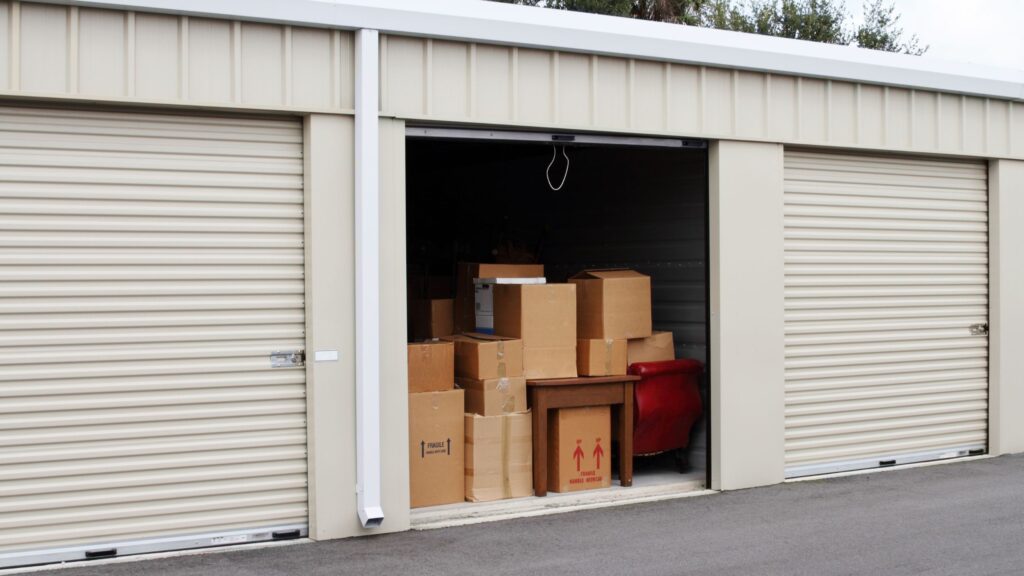
One of the most unique aspects of storage auctions is the viewing process. Participants are typically allowed to look into the storage units from the doorway but cannot touch or enter them. This limitation means you’ll need to rely on your observational skills to estimate the value of the contents.
The Bidding Begins
Storage auctions are usually conducted as “live” or “verbal” auctions. Bidding can start as low as $1, depending on the interest in the unit. The auctioneer will call out bids, and participants can raise their hands or call out their offers to compete.
Winning the Unit
The highest bidder wins the contents of the unit. Once the bidding closes, the winner is responsible for payment and adhering to the facility’s terms. Winning a bid is exhilarating, but it also comes with responsibilities that you should be prepared for.
How Storage Auctions Work: Payment and Responsibilities
Payment Methods
Cash is the most common form of payment accepted at storage auctions. Credit cards and checks are rarely allowed, so be sure to bring enough cash with you to cover your bids, sales tax, and any additional deposits.
Sales Tax
In most states, sales tax will be added to your final bid. If you’re a reseller with a valid resale license, you can often waive this tax by presenting proper identification.
Refundable Deposit
To ensure the storage unit is cleared out in a timely manner, many facilities require a refundable cash deposit. This deposit is returned once you’ve completely emptied the unit and left it clean.
Clean-Out Requirements
After winning a unit, you’ll typically have 24-48 hours to remove all contents. It’s your responsibility to transport and dispose of any unwanted items. Facilities usually prohibit the use of their dumpsters without explicit permission, so plan accordingly.
Expert Tips for Success in Storage Auctions
Do Your Research
Before attending an auction, research the facility and its auction process. Some facilities may list information about upcoming units online, which can help you gauge whether it’s worth attending.
Set a Budget
It’s easy to get caught up in the excitement of bidding, but always set a budget before the auction starts. Stick to your limits to avoid overspending or buying units that may not yield a profit.
Bring the Right Tools
If you win a unit, you’ll need tools such as gloves, flashlights, and sturdy bags or boxes to help with clean-out. Having these items on hand will make the process more efficient.
Stay Organized
After winning a unit, sort through the contents methodically. Look for valuable items you can resell, donate items in good condition, and responsibly dispose of trash.
Common Challenges in Storage Auctions
While storage auctions can be profitable, they aren’t without challenges. You might encounter units filled with junk, intense competition from seasoned bidders, or unexpected expenses like transportation and disposal fees.
However, with preparation and a positive mindset, these hurdles can be overcome. The key is to stay focused on your goals and remain adaptable as you gain experience.
FAQs
How do I find storage auctions near me?
You can find storage auctions through online platforms, local advertisements, or by contacting storage facilities directly. You can check out our schedule here.
Can I inspect the contents of a storage unit before bidding?
No, you can only view the unit from the doorway. Entering or touching the contents is strictly prohibited during the auction process.
What happens if I don’t clean out the unit on time?
Failure to clean out the unit within the specified timeframe can result in losing your deposit and being banned from future auctions at that facility.
Are all storage units profitable to bid on?
Not all units contain valuable items. Bidders must rely on their observational skills and experience to estimate the potential value of a unit.
Can I resell items from storage auctions?
Yes, many bidders resell items through garage sales, online marketplaces, or consignment shops. A valid resale license may help you avoid paying sales tax.
What’s the biggest mistake beginners make at storage auctions?
One common mistake is overspending due to excitement or competition. Always set a budget and stick to it to avoid financial loss.
Conclusion
Storage auctions are a captivating way to discover hidden treasures and turn a profit, but success requires knowledge and preparation. By understanding the rules, honing your bidding strategy, and staying organized, you can enjoy the excitement of storage auctions while maximizing your returns.
Whether you’re a seasoned bidder or just starting, this guide will help you navigate the world of storage auctions with confidence.